Julie’s Favourite Speech & Language Resources for Parents
—Curated by Julie Stockdale, MSc., CCC-SLP · Pediatric Speech-Language Pathologist & Mom of 4
Affiliate Disclosure
This page contains affiliate links to Amazon and Bookshop.org. As an Amazon Associate I earn from qualifying purchases. I may also earn a small commission from Bookshop.org. This comes at no extra cost to you — and I only ever recommend products I genuinely use and believe in. These commissions help me keep my content and free resources available to families.
These are the toys, books, and resources I recommend most often to families. Many of them look simple — bubbles, blocks, books, toy animals — but simple is exactly what we want. Children learn language best through connection, repetition, play, and everyday routines. Where possible, I've included options on both Amazon and Bookshop.org.
Toys and Play Materials
These look like toys — and they are. But in the right hands, they're some of the most powerful language tools you can have at home. These are the ones I reach for most in sessions.
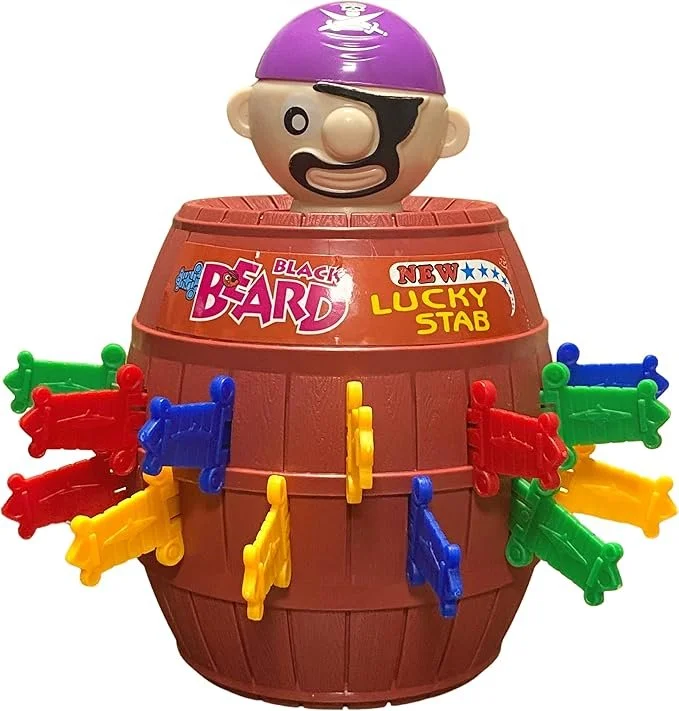
Pop Up Pirate — Classic cause-and-effect game, great for anticipation and requesting. I use this in almost every early intervention session.
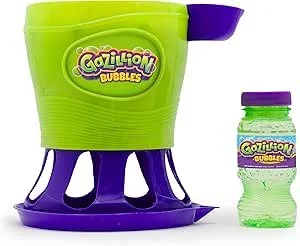
Bubble Machine — Hands-free bubbles so you can model language while kids reach and request. My number one early intervention tool.
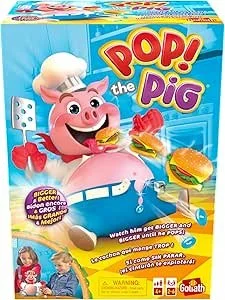
Pop the Pig! — Turn-taking game with colour words and counting built in. Great for attention span and waiting.
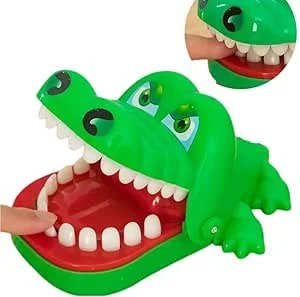
Crocodile Dentist — Anticipation-based game that gets kids narrating naturally. Pure language gold.
Screen-Free Audio & Storytelling
All four of my kids have a Yoto Player—and I didn't buy them as a speech therapist. I bought them as a mom who wanted to get screens out of bedrooms and give my kids something they could actually control themselves.
What surprised me was what happened next. They started wanting to read the books they'd listened to. They'd heard a story on their Yoto and then go find the book. That's the literacy connection I talk about in therapy — and it happened organically, at home, because the audio came first.
As an SLP, I recommend screen-free audio for families working on listening skills, vocabulary, and early literacy. As a mom, I just recommend it because it works.
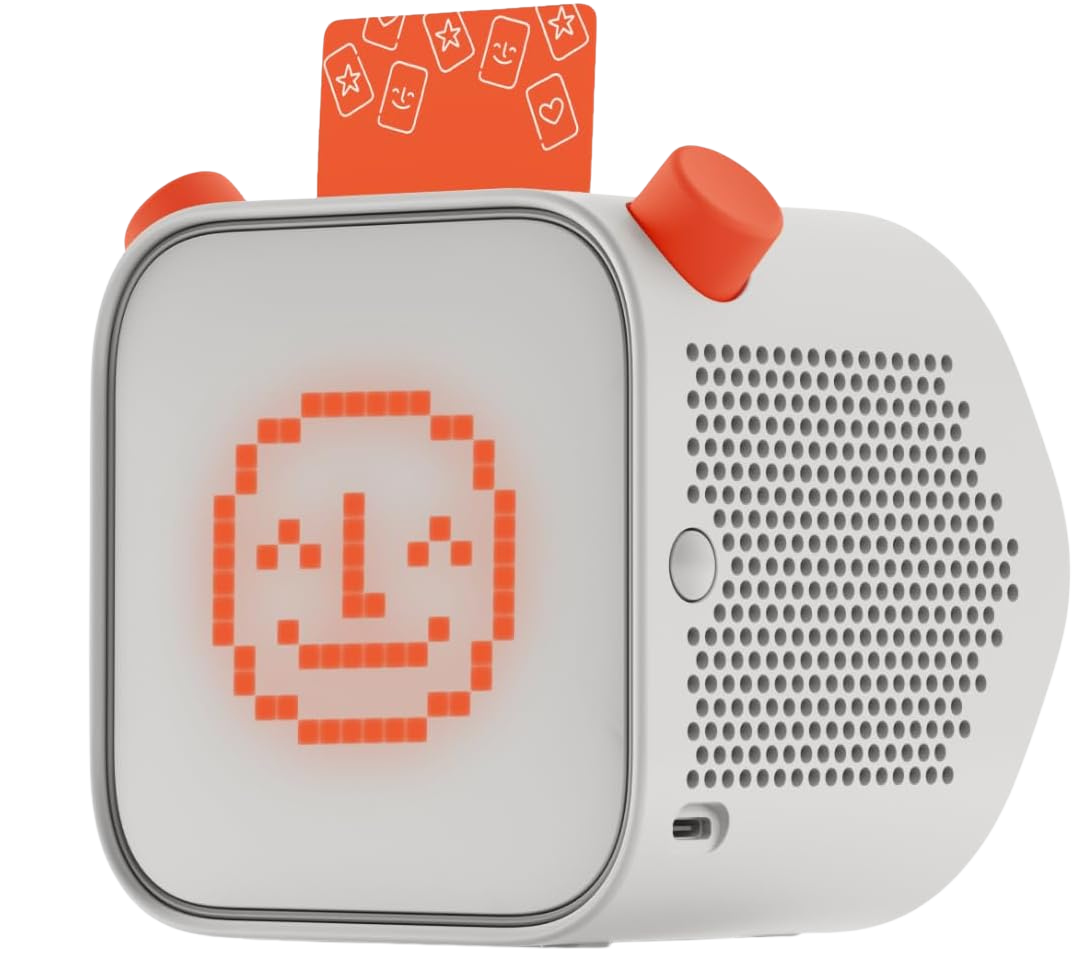
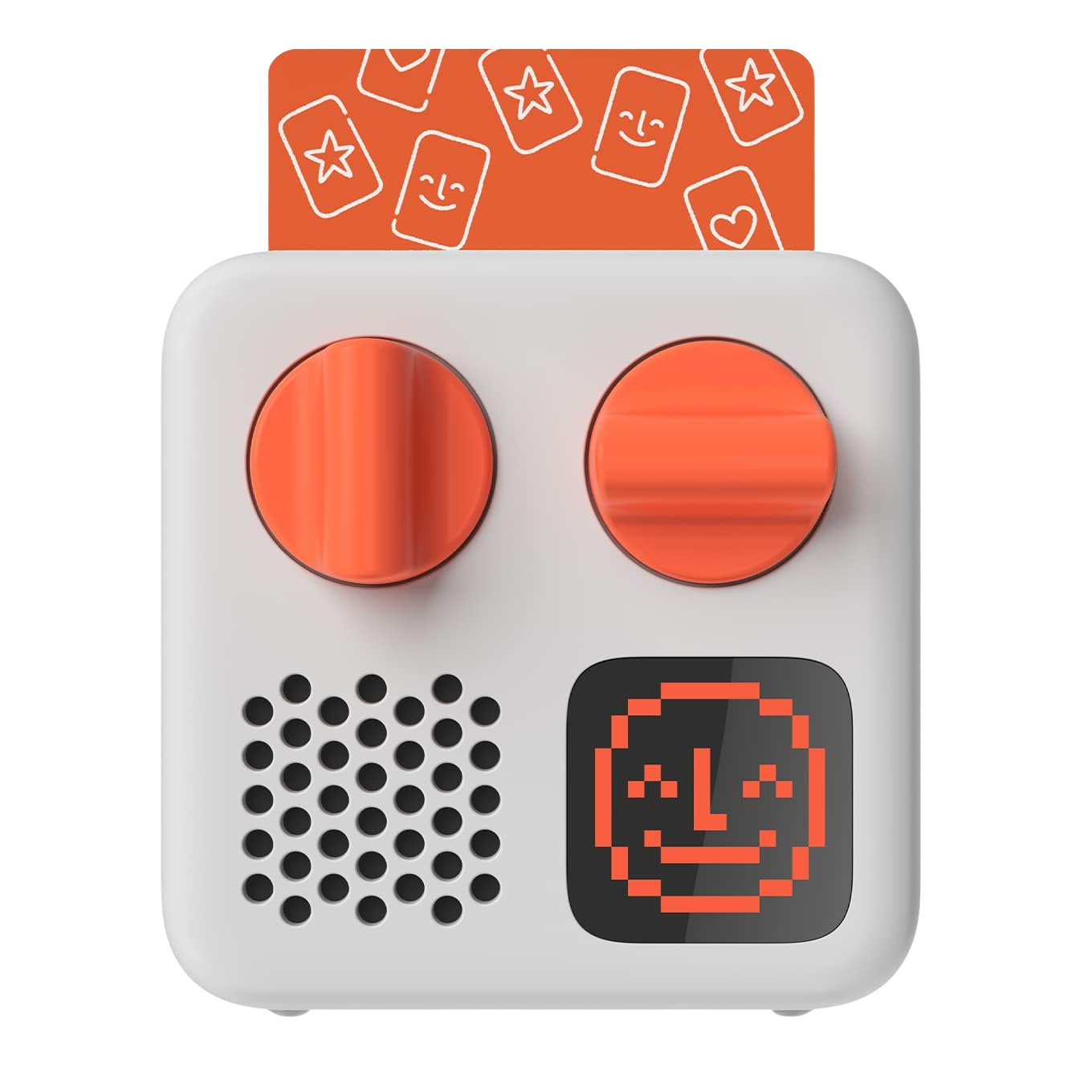
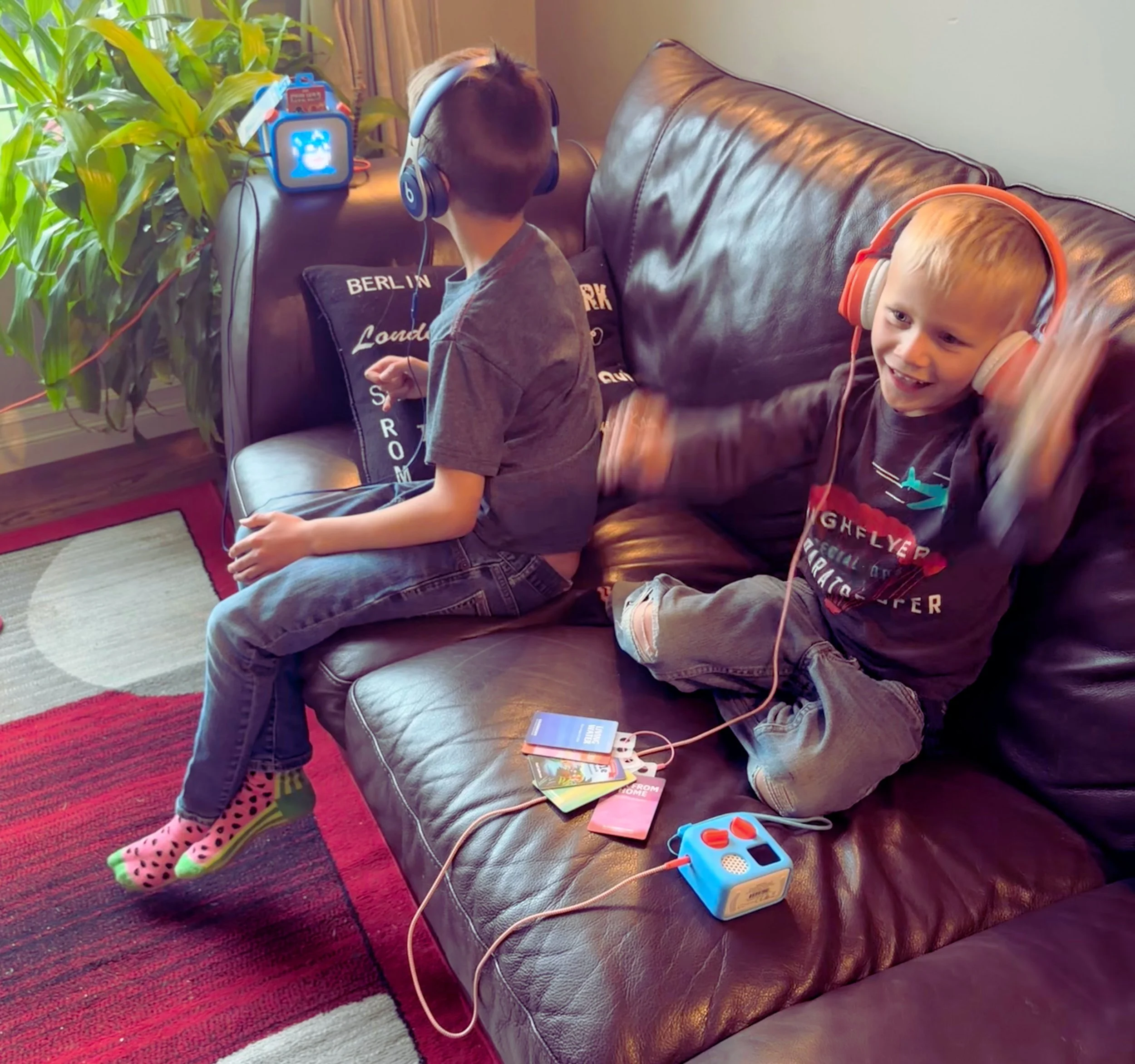
Yoto Player A screen-free audio player children control themselves — no Wi-Fi, no ads, no YouTube rabbit holes. Plays audiobooks, music, and podcasts through simple cards kids can swap on their own. My kids have had theirs for years and still reach for them every night. What I didn't expect was that they started wanting to read the books they'd heard. The audio came first — and it led them straight to the page. That's the literacy connection I talk about in therapy, happening naturally at home.
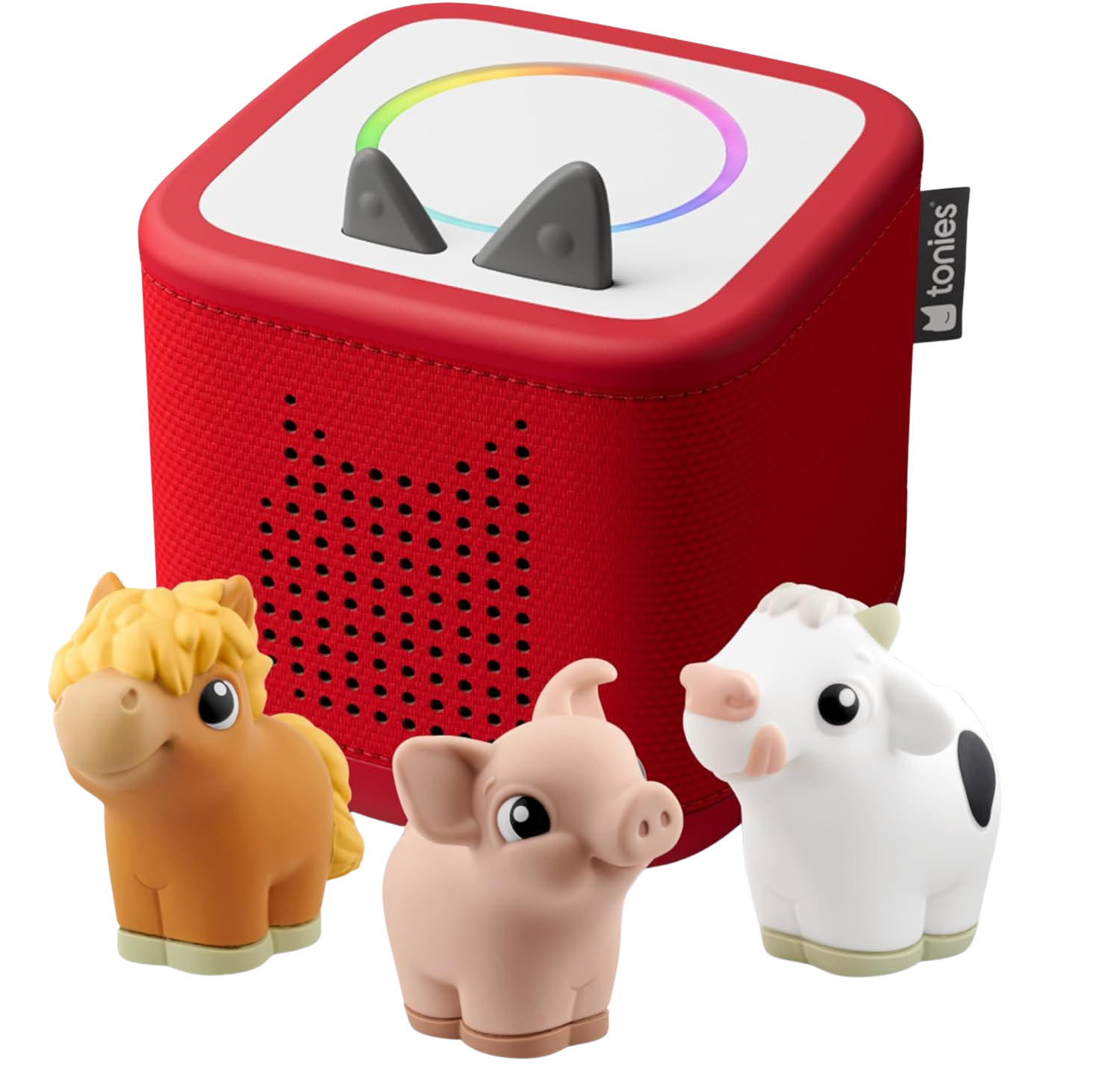
Tonie Box (Tonies) A screen-free speaker for younger kids — place a character figure on top and it plays that story or song. Sturdy, simple, and completely toddler-proof. I love this one for the youngest kids especially. The physical act of choosing a Tonie and placing it on the box is purposeful and independent — two things we work hard for in early intervention. And the repetition of hearing the same stories builds vocabulary in exactly the way research tells us it should.
Books for Early Talkers & Late Talkers
I get asked for book recommendations constantly — by parents in sessions, by families on Instagram, and by people I've just met who find out I'm an SLP. These are the ones I actually recommend.
For Parents
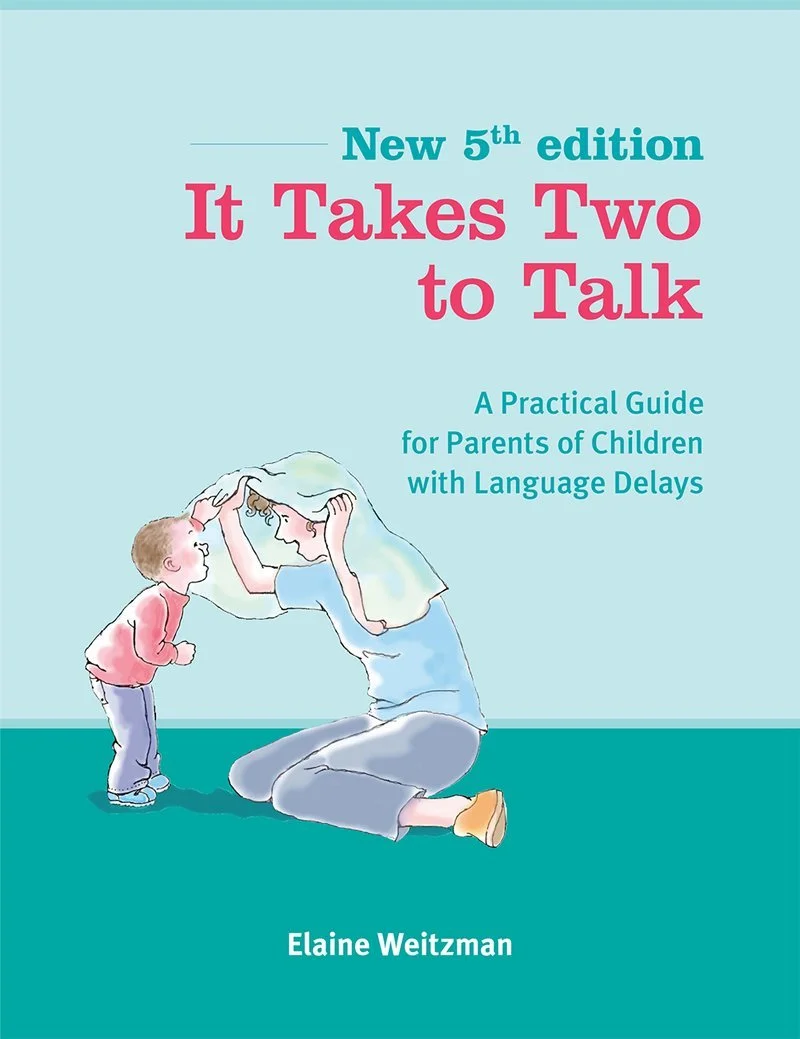
It Takes Two to Talk — Jan Pepper & Elaine Weitzman (Hanen Centre) The go-to parent guide for supporting early language development. Practical, evidence-based, and written in plain language. This is the book I point almost every early intervention family toward. It's not clinical — it's genuinely useful for daily life.
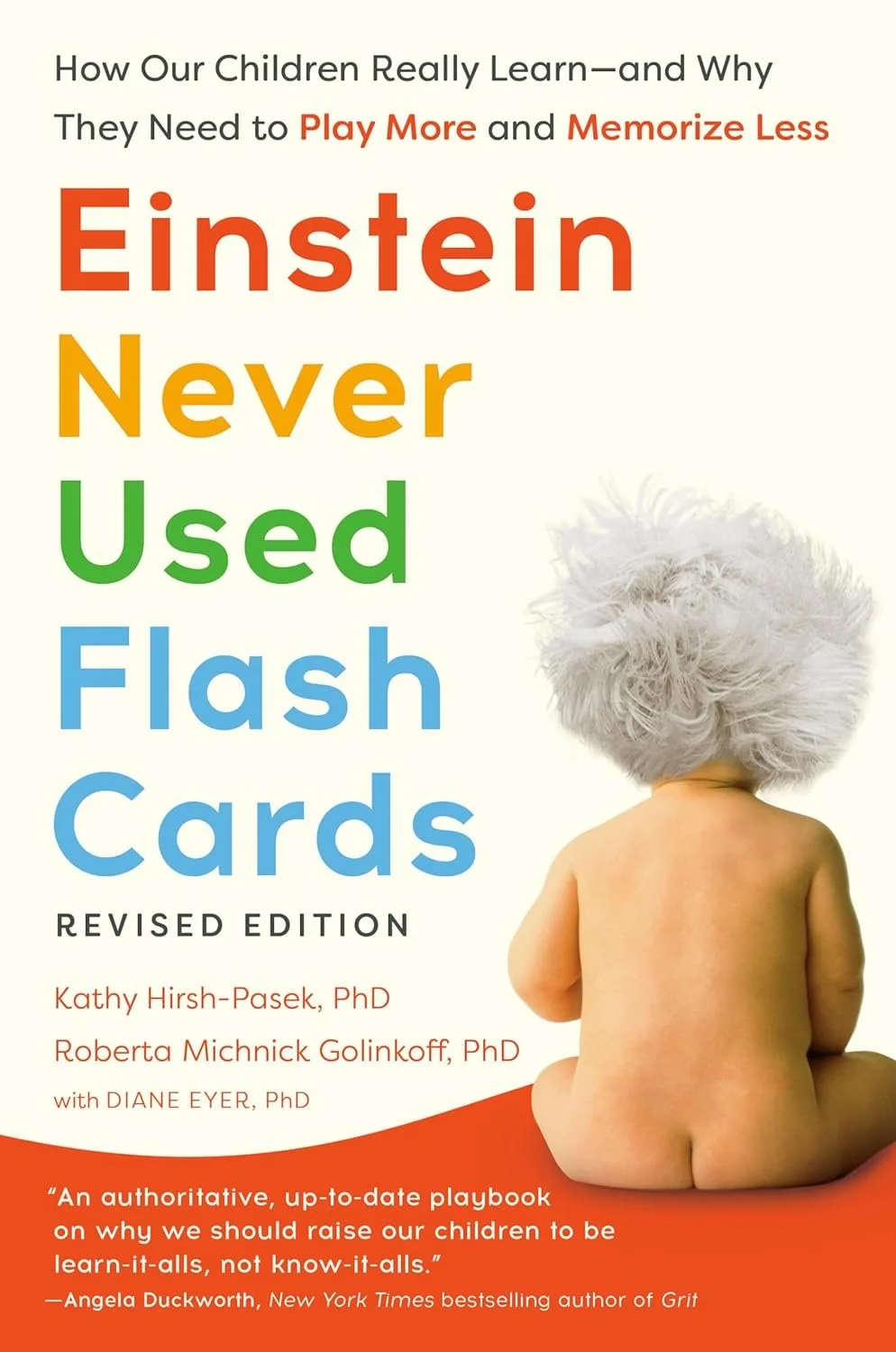
Einstein Never Used Flashcards — Kathy Hirsh-Pasek & Roberta Golinkoff Reframes how children actually learn — through play, not drilling. Reassuring for parents who feel pressure to "teach" their toddler. I recommend this to parents who are anxious about screen time and flashcards. It helps shift the mindset from instruction to connection.
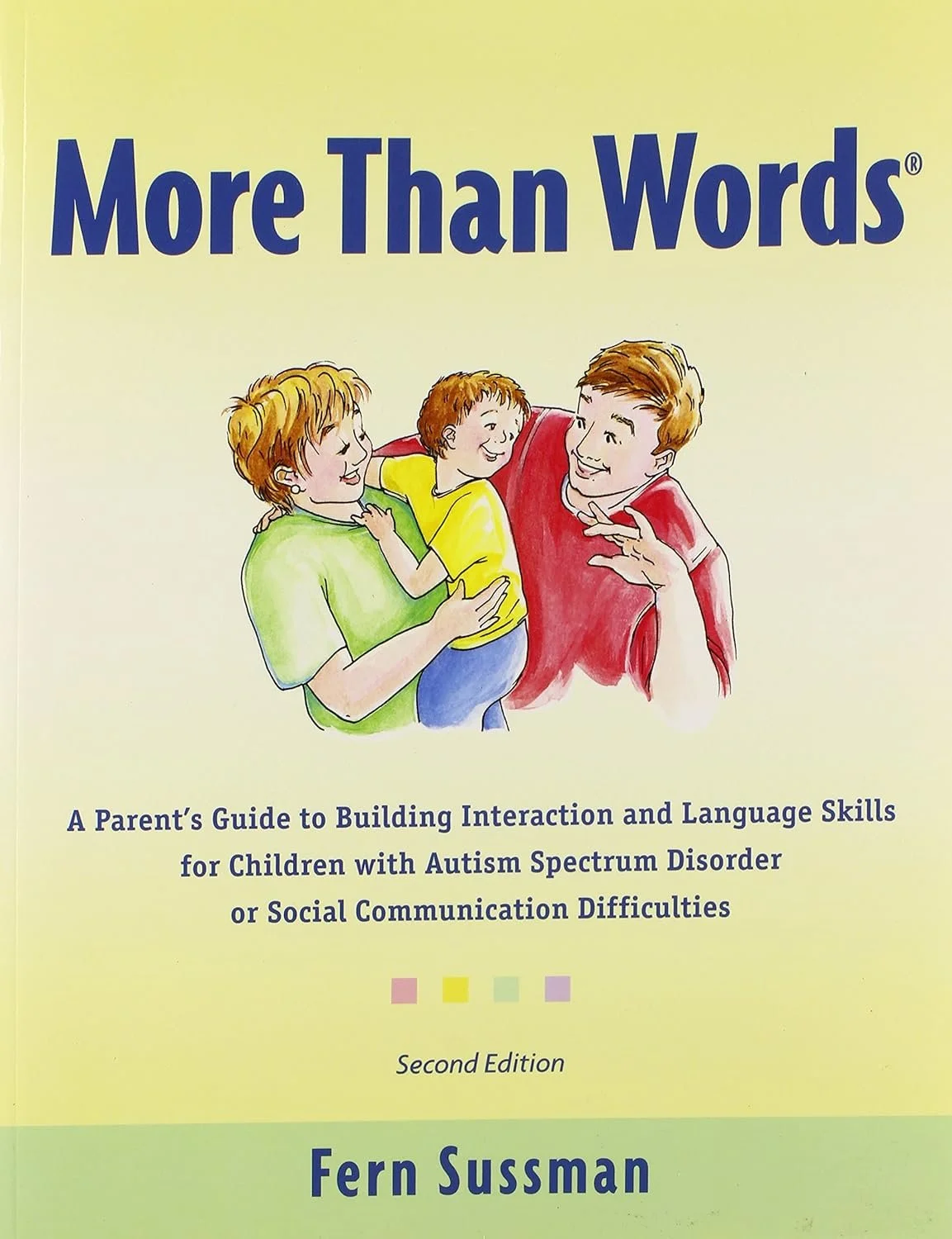
More Than Words — Fern Sussman (Hanen Centre) The go-to guide for families of children on the autism spectrum, or any child who needs support finding their communication voice. Focuses on helping your child communicate using whatever means they have — gestures, sounds, pictures, or words. If your child has been referred for AAC assessment or has been diagnosed with autism, this is the first book I recommend. It doesn't push one approach—it meets your child where they are. Practical, evidence-based, and written with real compassion for families.
My Best Advice
You do not need expensive toys to help your child communicate. The best “speech therapy toys” are usually simple, motivating, and easy to repeat.
Choose toys that help your child:
look at you
take turns
request help
copy sounds or actions
pretend
repeat familiar routines
have fun with you
Connection comes before words. Play first. Model language. Pause. Wait. Celebrate every communication attempt.